


Table of Contents
Tiny Home Shed Conversion: The Affordable Path to Living Large in a Small Space

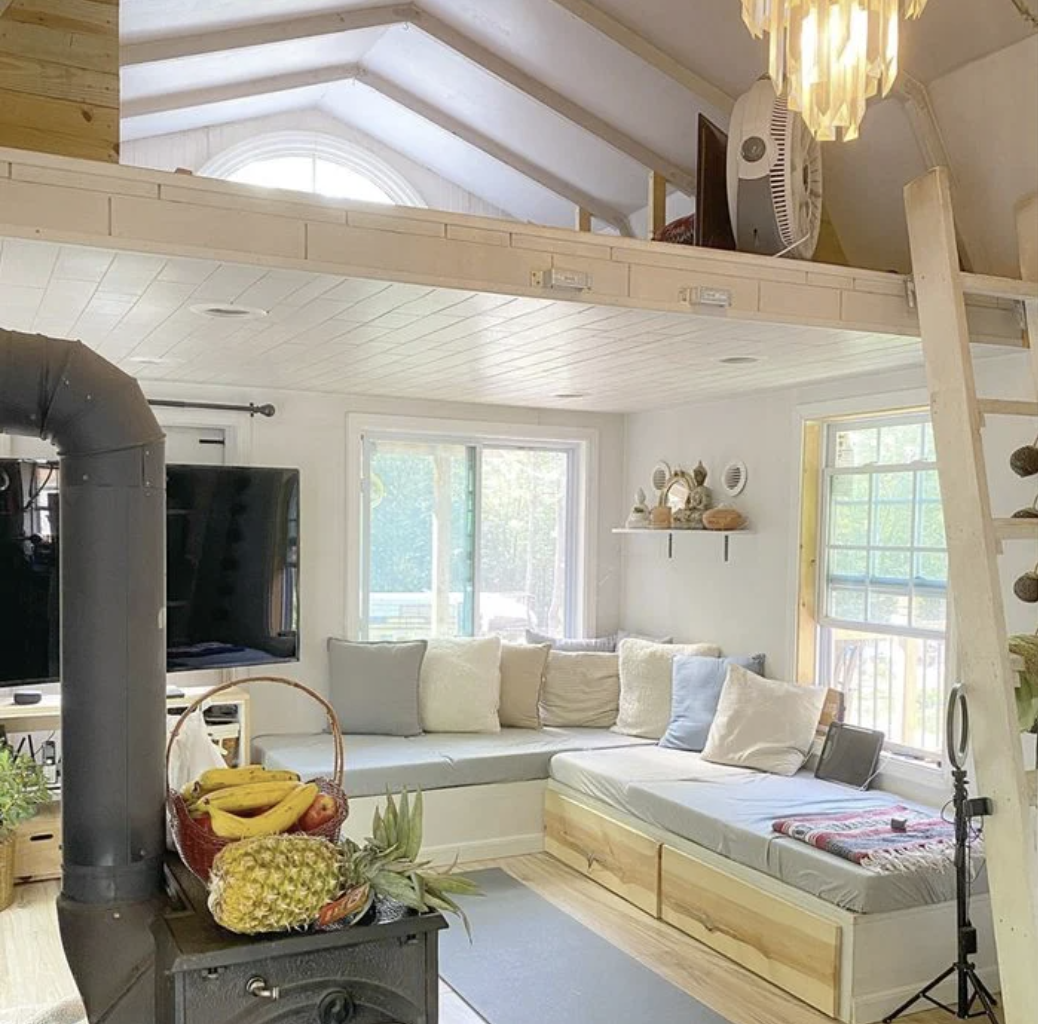

If you’ve ever dreamed of a simpler, more sustainable lifestyle—or just need an affordable place to live, work, or relax—then a Tiny Home Shed Conversion might be the perfect solution. Across Pennsylvania and beyond, people are turning to portable buildings as a cost-effective, customizable foundation for tiny homes, offices, art studios, and even weekend retreats.
At Jones Vacuum Center and Portable Buildings, we’ve seen firsthand how folks are taking simple sheds and transforming them into beautiful, functional spaces with modern amenities. Whether you’re planning to build a cozy guesthouse, a backyard rental, or your own tiny dream home, this article will guide you through everything you need to know about turning a shed into a livable tiny house—from structure selection to layout ideas and legal considerations.
Let’s explore why a Tiny Home Shed Conversion is one of the smartest ways to create a space that’s truly your own—without breaking the bank.
Why a Tiny Home Shed Conversion Makes So Much Sense
The appeal of a Tiny Home Shed Conversion goes far beyond affordability. It’s about freedom—financial, geographic, and creative. When you start with a high-quality portable building from a trusted provider like Jones Vacuum Center and Portable Buildings, you’re getting a sturdy, weather-resistant structure that’s built to last. That solid foundation means you can focus your energy and budget on the interior transformation.
For many, converting a shed into a tiny home feels less overwhelming than building from scratch. The frame is already in place, and many portable buildings are designed to meet local codes with minimal modification. You can easily insulate, drywall, and finish the interior just like a standard home—without waiting months on permits or construction delays.
Whether you want a cozy backyard guest suite, a quiet office, or a full-time living space, a shed to tiny house conversion is one of the fastest and most flexible paths to get there. And because you’re not dealing with the overhead of traditional construction, you’ll enjoy major savings without compromising on quality.
Choosing the Right Shed for Your Tiny Home Vision
Not all sheds are created equal—especially when it comes to a Tiny Home Shed Conversion. The first step in your transformation journey is selecting the right structure. At Jones Vacuum Center and Portable Buildings, we offer a variety of sizes and styles to suit every purpose, from rustic cabins to modern studio layouts.
Look for a portable building with:
- Tall sidewalls for interior headroom
- A-frame or gable rooflines to allow loft space or overhead storage
- Sturdy flooring rated for household use
- Durable siding and roofing that can handle South Carolina’s changing weather
Many of our customers prefer starting with a 12×24 or 14×32 layout—large enough for living, sleeping, and a small kitchenette, but still compact enough to keep utility costs low. Choosing a shed with windows, a double door, or even a porch adds charm and helps define the space before you even begin your shed house conversion.
The beauty of a Tiny Home Shed Conversion is how much is possible starting with the right shell. With a little vision, this is where your dream begins.
Planning Your Layout: Function Meets Comfort
Once you’ve selected your shed, it’s time to design your interior layout. A well-thought-out plan is the difference between a cramped cabin and a cozy, functional retreat. Because space is limited, every square foot in your Tiny Home Shed Conversion needs to serve a purpose.
Start by listing your essentials: sleeping area, kitchenette, bathroom, seating, and storage. Murphy beds, lofts, and fold-out furniture can double your usable space. Use vertical shelving and built-ins to maximize storage without clutter. Even small additions—like a sliding barn door instead of a swinging one—can make a big impact.
Many homeowners opt to install a composting toilet or compact shower system if their tiny home is off-grid. For utilities, plan ahead: wiring, outlets, water lines, and ventilation must be integrated before insulation and drywall.
If you’re feeling overwhelmed, we can help. Jones Vacuum Center and Portable Buildings has seen dozens of shed to tiny house conversions come to life—and we’re happy to share layout ideas and real-world tips that work.
Utilities and Insulation: Turning a Shed into a Livable Space
A key part of a successful Tiny Home Shed Conversion is making it feel like a true home—not just a dressed-up storage shed. That means making smart choices when it comes to utilities, insulation, and climate control.
Start with proper insulation. Whether you choose spray foam, rigid board, or batt insulation, sealing your shed from extreme heat and cold is critical—especially in Pennsylvania’s varied climate. A well-insulated shed home conversion stays cooler in the summer and warmer in the winter, making it livable year-round.
Next, consider your utilities. Many tiny homes are hooked up to city water and electric, but off-grid solutions are also popular—like solar panels, propane heating, and rainwater collection. Plan for water lines, drains, and power early in your design phase to avoid expensive retrofitting later.
Ventilation is equally important. Small spaces need airflow to stay comfortable and healthy. Consider ceiling fans, small mini-split HVAC systems, or wall-mounted units that heat and cool efficiently without taking up valuable space.
Done right, a Tiny Home Shed Conversion provides all the modern comforts in a much smaller, smarter footprint.
Legal Considerations and Zoning in Walterboro, SC: Ask Rusty First
Before getting too deep into your Tiny Home Shed Conversion, it’s important to know the rules that apply in and around Walterboro, South Carolina. While converting a shed into a livable space is doable and popular, the local zoning and permitting process can be tricky if you’re not familiar with it.
That’s where Rusty Jones comes in.
Rusty isn’t just the owner—he’s your go-to expert when it comes to understanding what’s allowed in Colleton County and the surrounding areas. He’s helped countless folks navigate zoning rules, foundation requirements, utility hookup guidelines, and even which properties are best suited for shed to tiny house conversions.
Before starting your project, Rusty can:
- Help you understand whether your land is zoned for residential conversion
- Advise you on foundation options that meet local code
- Walk you through the permitting process for electric, plumbing, and insulation
- Point you toward tiny-home-friendly contractors and inspectors
If you’re thinking about a Tiny Home Shed Conversion, don’t guess—ask Rusty. He’ll make sure your dream project starts off on the right foot and ends with keys in your hand, not red tape.
Finishing Touches That Make It Feel Like Home
Once your structure is insulated, wired, and ready, the fun begins. The finishing phase of a Tiny Home Shed Conversion is where your creativity can truly shine. This is your chance to make a small space feel warm, inviting, and uniquely yours.
Start with finishes that reflect your personal style. Many shed-to-tiny-home owners in Walterboro use shiplap or beadboard on the walls for a farmhouse or cottage feel, while others opt for sleek drywall and modern lighting for a more contemporary vibe. Wood flooring, tongue-and-groove ceilings, or rustic trim can add richness and texture even in a small footprint.
Keep the color palette light and airy to make your space feel larger. Add mirrors for depth, and maximize natural light with well-placed windows and doors. And don’t forget your outdoor space—an awning, patio, or small front porch can extend your living area and increase curb appeal.
With smart design and a few finishing touches, your shed home conversion will go from simple to stunning—without sacrificing comfort or character.\How Much Does a Tiny Home Shed Conversion Really Cost?
One of the biggest advantages of a Tiny Home Shed Conversion is affordability. Compared to traditional home construction, turning a portable building into a living space is significantly cheaper—and often faster. But how much should you realistically budget?
While every project is different, here’s a rough breakdown:
- Portable building shell: $4,000–$15,000 depending on size and features
- Interior build-out (insulation, walls, flooring): $5,000–$15,000
- Electrical and plumbing: $3,000–$10,000
- Appliances and furnishings: $2,000–$8,000
So, for many homeowners in Walterboro, a complete shed house conversion could cost as little as $15,000–$20,000—or up to $40,000 for a fully tricked-out tiny home. Compare that to six-figure home prices, and you can see why these conversions are so appealing.
Plus, working with Rusty at Jones Portable Buildings means you’ll get a quality structure at a fair price—and expert advice on how to get the most from your investment.
Why Jones Portable Buildings Is Walterboro’s Trusted Source for Shed Conversions
When it comes to starting your Tiny Home Shed Conversion, the first step is choosing the right building—and the right people to work with. That’s why so many folks in Walterboro and the surrounding Lowcountry turn to Rusty and the team at Jones Vacuum Center and Portable Buildings.
With years of experience helping locals customize the perfect portable buildings, Rusty doesn’t just sell sheds—he helps turn your dream into reality. Whether you’re looking for a modern retreat, a backyard rental, or a full-time tiny house, he’ll guide you from start to finish with insight, honesty, and Southern hospitality.
What sets Jones apart:
- Local expertise on zoning, foundations, and utilities
- A wide range of high-quality shed models and sizes
- Fair, transparent pricing with no pressure
- Real-world knowledge of shed to tiny house conversion best practices
If you’re ready to stop dreaming and start building, Jones Portable Buildings is where your journey begins.
Conclusion: A Smarter Way to Build Your Future
A Tiny Home Shed Conversion offers freedom, affordability, and the joy of living simply—without giving up comfort or style. Whether you’re creating a cozy guest house, a peaceful retreat, or your main residence, converting a portable building into a tiny home is one of the smartest moves you can make.
And if you’re in the Walterboro area, there’s no better place to start than Jones Vacuum Center and Portable Buildings. With Rusty’s help and the right structure, your dream space is closer—and more attainable—than you think.
So stop by. Take a look. Ask your questions. And let’s turn that empty backyard or side lot into something truly extraordinary.